A leaking appliance, plumbing problem, or wind-driven rain can damage a hardwood floor quickly. For Sarasota homeowners, the question that follows is usually the same: can the affected boards be repaired, or does the entire floor need to be replaced? The answer depends on how long the wood stayed wet, how deeply moisture traveled, and whether the damage affected only the finish or changed the structure of the boards.
Start by finding and stopping the moisture source
Floor work should not begin until the leak or water entry point is fully corrected. Replacing boards while the subfloor is still damp can trap moisture and lead to new movement, odors, or microbial growth. A flooring professional can use moisture readings to compare the affected area with dry sections of the home. This helps determine whether the wood is still drying or has reached a stable condition.
When a localized hardwood repair may be enough
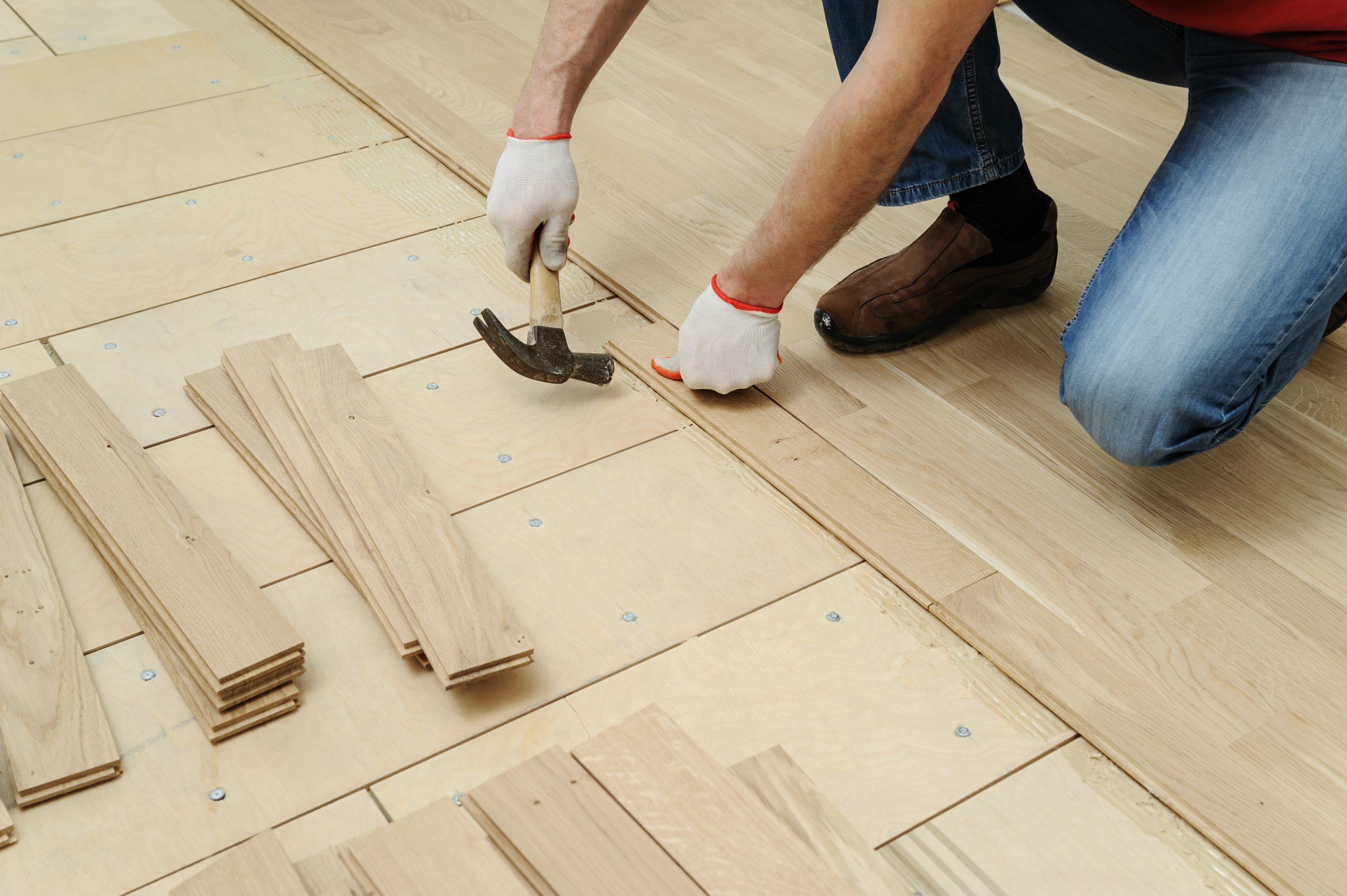
Repair is often practical when water reached a small, clearly defined area and the surrounding boards remain flat and stable. Individual planks can sometimes be removed and replaced, then sanded and finished to blend with the existing floor. Minor surface discoloration may also improve during professional sanding if the staining has not penetrated too deeply.
A successful patch depends on matching the species, width, grade, and milling profile of the original boards. Color is another consideration. New wood rarely matches an older floor immediately, but careful stain testing and refinishing a larger connected area can create a much more consistent appearance.
Signs that replacement may be the better option
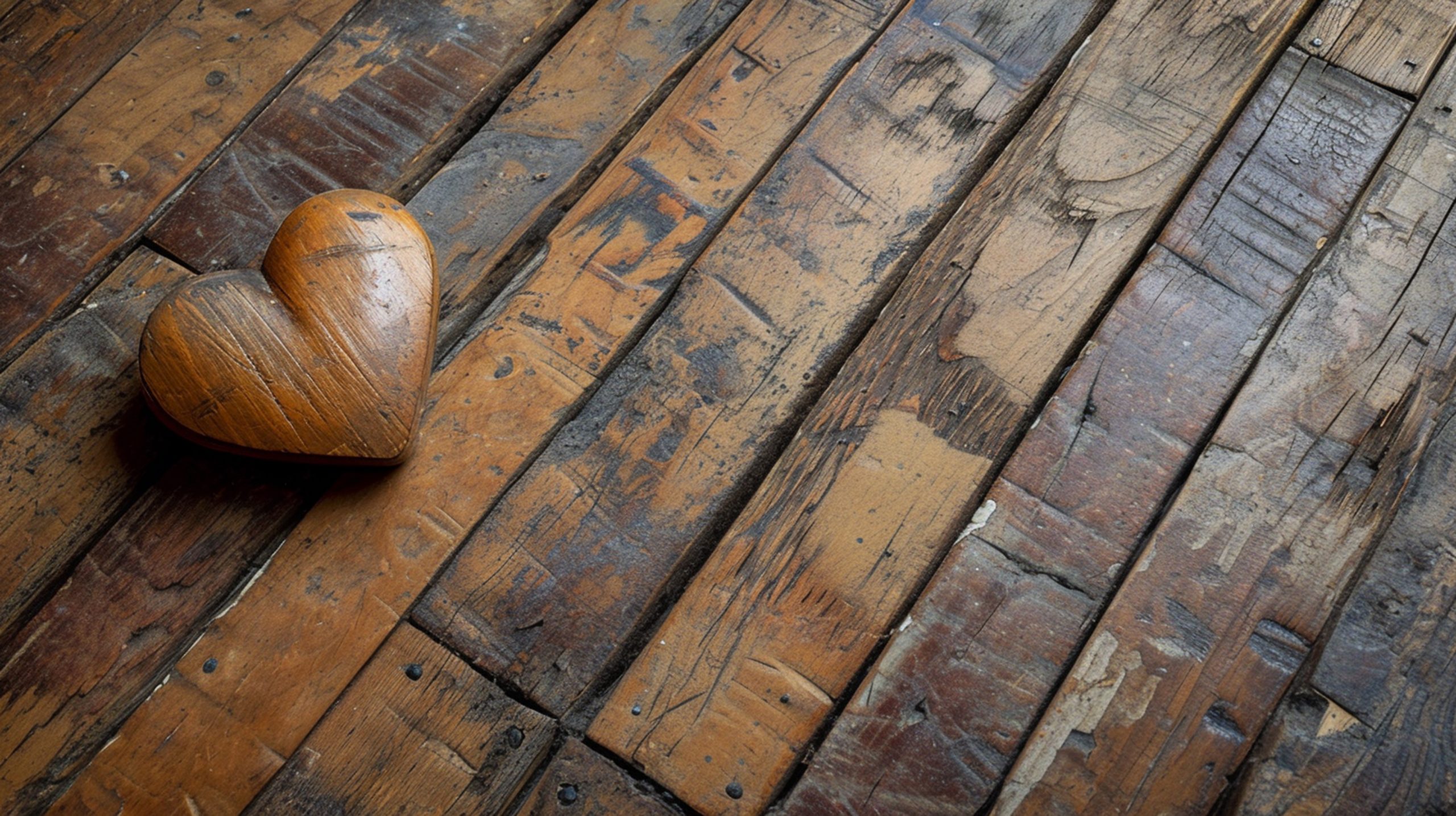
Extensive cupping, crowning, buckling, or boards pulling away from the subfloor can indicate more serious damage. Replacement may also be recommended when moisture spread under cabinets or walls, when the subfloor lost strength, or when the same flooring is no longer available for a convincing repair. A musty smell that remains after drying deserves investigation before cosmetic work begins.
The age and thickness of the floor matter too. Solid hardwood can often be sanded several times, while some engineered products have a thinner wear layer. If that layer is already worn or cannot support another sanding, replacing a damaged section—or the full room—may provide a more reliable result.
Why Florida conditions affect the decision
Sarasota’s humidity can slow drying and cause wood to gain or lose moisture throughout the year. That does not mean hardwood is unsuitable for Florida homes; it means moisture testing, acclimation, and indoor climate control are especially important. Replacement boards should be allowed to adjust to the home before installation, and the HVAC system should maintain a reasonably stable environment.
Get an assessment before choosing the scope
A visible stain does not always reveal the full extent of water movement, and a warped board does not automatically mean the whole floor must go. Eddie Wood Floors Installation can inspect the affected area, check the condition of the surrounding flooring, and explain whether board repair, sanding and refinishing, or replacement offers the best value. A measured assessment helps preserve as much original hardwood as possible without covering up a moisture problem that could return.