If your hardwood floors are looking dull, lightly scratched, or just tired, you have probably heard two very different words thrown around for fixing them: recoating and refinishing. They sound similar and both leave you with better-looking floors, but they are genuinely different jobs with different costs, timelines, and outcomes. Choosing the wrong one wastes money or fails to fix the problem, so for Sarasota homeowners deciding what their floors actually need, it helps to understand the difference before calling anyone out.
Refinishing is the full process most people picture. It means sanding the floor all the way down to bare wood, removing the old finish and the scratches, dents, and discoloration along with it, and then applying fresh stain and several coats of new finish. It is the deep, complete restoration that can make a badly worn floor look brand new, and it is also the only option that lets you change the color of the floor or repair significant damage. Because it involves sanding to bare wood, it is the more involved, more expensive, and more disruptive of the two, producing dust and requiring the floor to be cleared and off-limits while it is done.
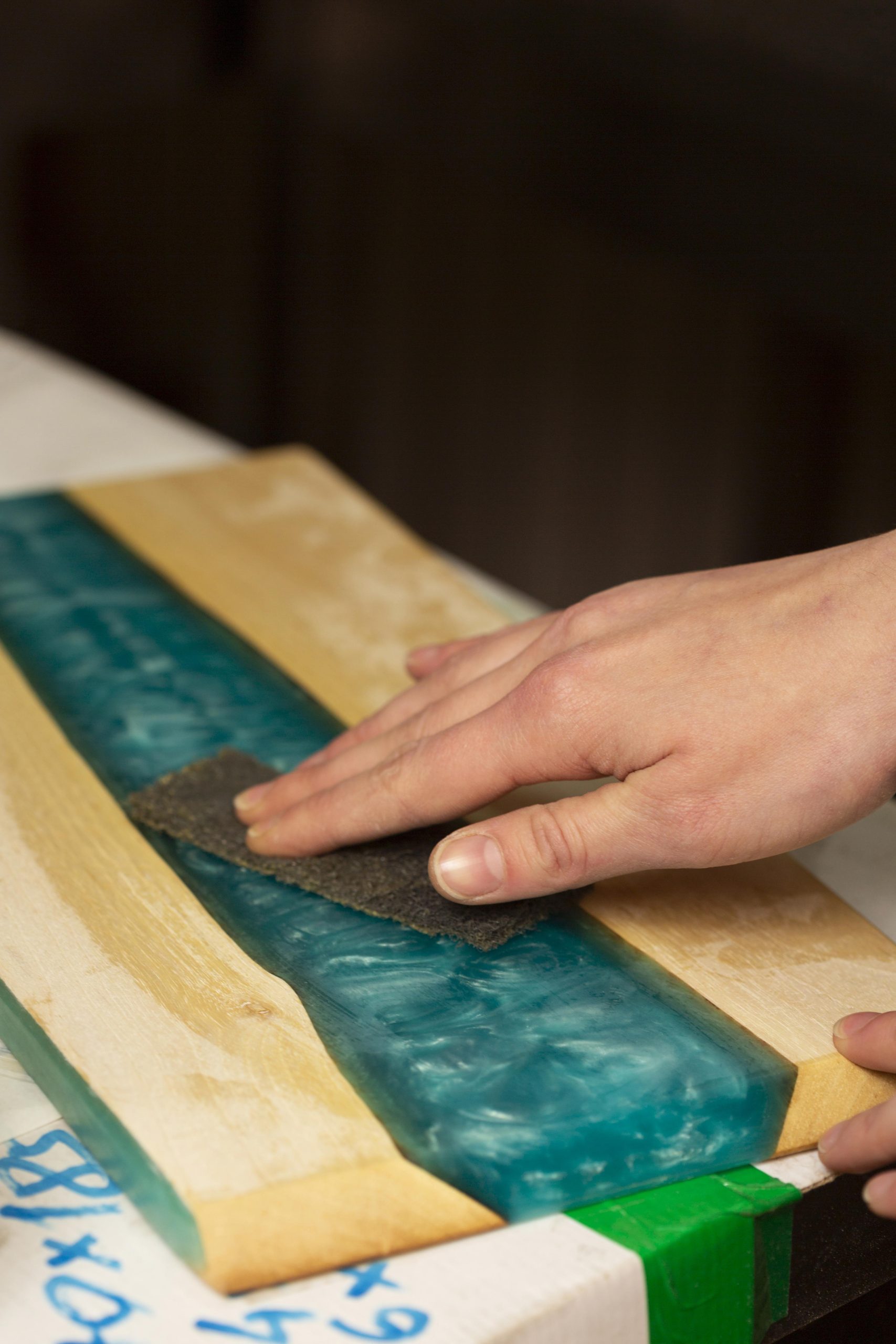
Recoating, sometimes called a screen and recoat, is the lighter option. Instead of sanding to bare wood, the existing finish is lightly abraded to rough it up, and a fresh coat of finish is applied over the top. It refreshes the protective layer, restores sheen, and erases very light surface scuffs, giving a floor that has lost its luster a renewed, uniform look. It is far faster, less expensive, and much less disruptive than a full refinish, with little of the dust and downtime, because the wood itself is never opened up.
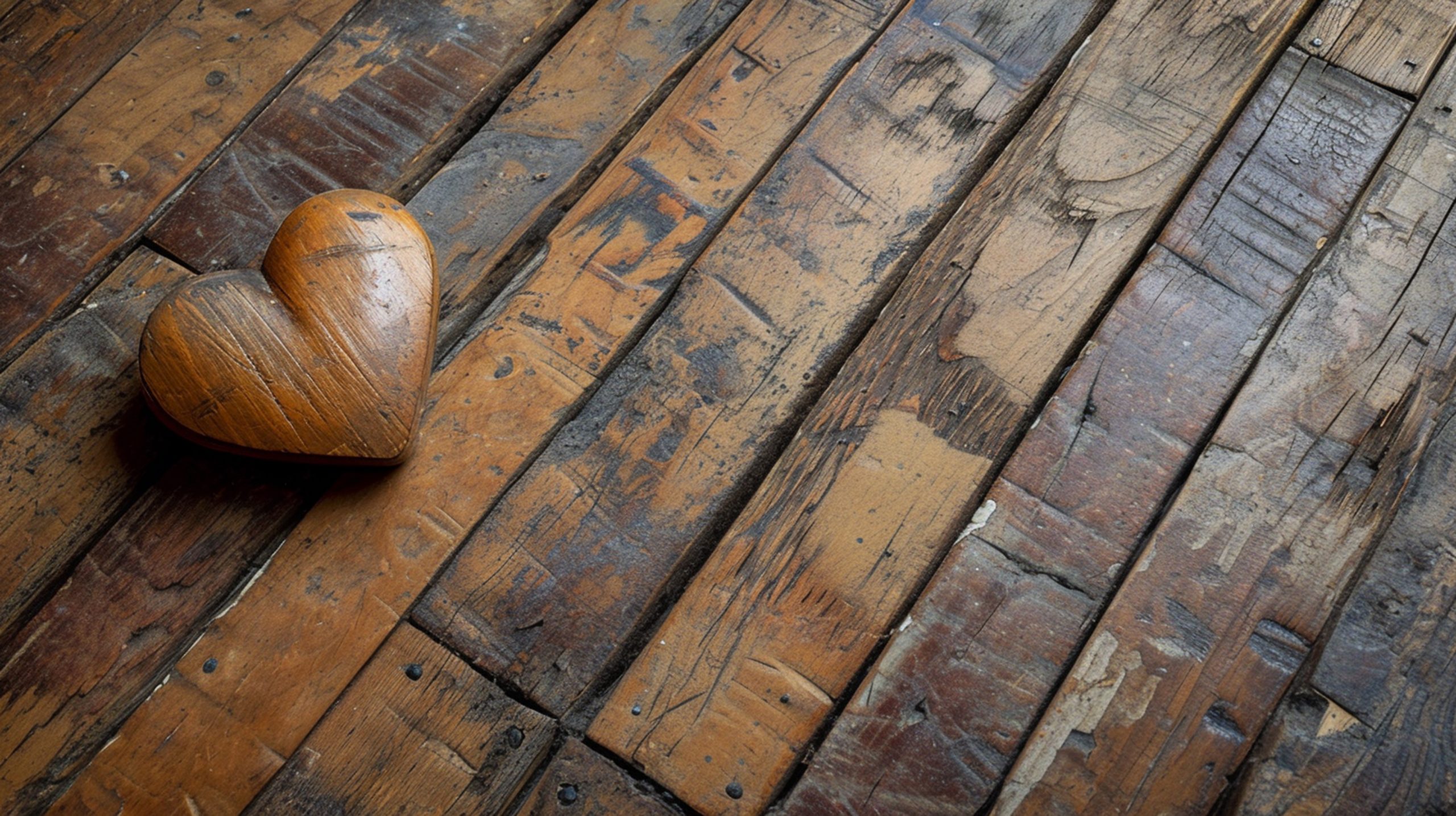
The catch is that recoating only works on a floor that is still in decent shape. A recoat bonds a new finish to the old one, so it can only address wear in the finish layer, not damage that has reached the wood. If the floor has deep scratches, gouges, gray or water-stained boards, worn-through spots where the bare wood shows, or you want to change the stain color, a recoat cannot fix any of that, and applying one would just seal the problems under a fresh coat. Those situations call for a full refinish. Recoating is maintenance for a floor caught before the wear gets deep; refinishing is restoration for one that is already there.
Florida’s climate makes the timing of a recoat especially worth understanding, because it is the smart way to extend the life of a hardwood floor between full refinishes. A floor that gets a recoat every several years, before the finish wears through to the wood, keeps its protective layer intact and can go much longer before it ever needs the full sanding treatment. In a Sarasota home where sand, humidity, and daily foot traffic steadily wear at the finish, staying ahead with periodic recoats protects the wood underneath and saves the greater cost and disruption of frequent refinishing.
The honest answer to which one you need usually comes down to an inspection of the actual floor. If the finish is simply dull and lightly scuffed but the wood is sound and the color is right, a recoat is the efficient, affordable choice. If the damage has reached the wood, the boards are stained or gray, there are worn-through areas, or you want a different color, refinishing is the right call and a recoat would only disappoint. A quick professional look can tell you which camp your floor is in, so you spend on the job that actually solves the problem.
At Eddie Wood Floors, we help Sarasota-area homeowners figure out whether their floors need a light recoat or a full refinish, and handle either the right way, so you are not paying for more than the floor needs or covering up problems that a recoat cannot fix. Catching a floor in time for a recoat is one of the best ways to keep hardwood looking great for decades in our coastal climate, and knowing the difference is the first step toward keeping your floors on that longer, healthier path.